 COME
COMEIPL guide: a cricket wicket can fall without a run being added
Read IPL fixtures and cricket scores through teams, innings, runs, wickets and valid balls. Runs and wickets are separate score fields. A valid wicket-taking delivery can leave the team total unchanged while increasing wickets lost.
Start with the competition and the fixture
The Indian Premier League is a franchise cricket competition played in the T20 format. A standard uninterrupted match gives each side one innings of up to twenty overs. The first side sets a score; the second tries to reach a target. An innings may finish earlier when the side is all out or when the chasing side reaches its target.
A fixture describes an intended match, while a result describes what happened. Read the date, teams, venue, time zone and status together. Upcoming, delayed and completed are different states. A saved promotional poster can illustrate a matchup without giving today's schedule, and the scheduled start, toss and first ball are separate events.
Indian Standard Time is UTC+5:30. Converting 7:30pm IST to UTC gives 2:00pm on the same date; converting a time close to midnight may change the date. These are time-conversion examples, not announced match times. A device set to another zone can display a different clock value for the same moment.
Build a score from its components
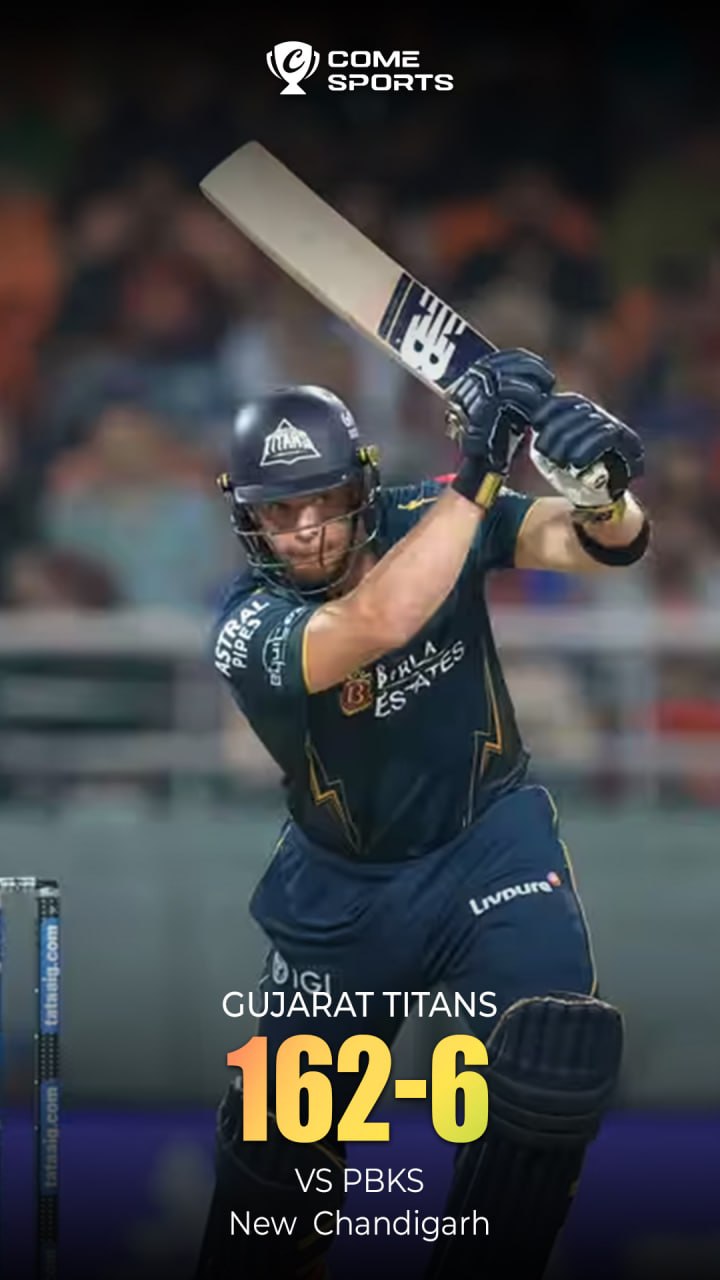
A display of 162/6 means 162 runs and six wickets lost. It does not, by itself, say whether a match was won. Find which innings is being played, whether the side is chasing and what target applies. The batting team's total and the individual batters' figures describe related but different information.
Overs use balls rather than decimal fractions. At 9.3 overs, nine full overs and three valid balls have been completed, giving 57 valid balls. The next valid ball produces 9.4; after 9.5 the following valid ball completes the over and the display becomes 10.0. Treating .3 as three tenths gives the wrong basis for calculations.
MCC Law 17 defines an over as six valid balls. Wides and no-balls do not count within those six, even though the deliveries occurred and extras can affect the score. A team total can therefore rise while the valid-ball count stays unchanged. The score, wickets and over count should be read as separate fields in one match state.
A target gives the chase its purpose
In an ordinary unrevised example, a first innings of 175 sets a target of 176. A chasing total of 130 leaves 46 runs to reach that target. Reaching 175 would only draw level with the first innings; it would not reach 176. Wickets and valid balls remaining describe the resources available to complete the chase.
Rain and interruptions can change the target and over allocation under the competition's rules. Use the official revised figures instead of continuing with the original first-innings total plus one. A par score, a target and a declared result are not interchangeable labels. The arithmetic in this primer uses simple unrevised examples unless a revision is explicitly named.
Separate cricket scores from other services
A real match score records cricket events. Fantasy points apply a particular contest's scoring rules to selected players and performances. A broadcast is a separate service with its own access conditions. An application having a Fantasy or Sports category does not prove a universal points formula, coverage of every match or video-streaming availability.
For fantasy calculations, read the actual contest rules before converting performances into points. Runs, wickets, fielding contributions and multipliers may be treated differently. A leaderboard cannot replace an official scorecard, and an individual player's score is not automatically the team's total.
A cricket wicket can fall without a run being added
Runs and wickets are separate score fields. A valid wicket-taking delivery can leave the team total unchanged while increasing wickets lost.
In a simple example, a batter is bowled without a run on a valid delivery at 10.2. The score changes from 90/2 to 90/3 at 10.3. Runs are unchanged, but a wicket and a valid ball have changed the match state.
You can explain changes in runs, wickets and overs separately rather than assuming every delivery must increase the total.
Put the whole match state into a sentence
A useful match note identifies the teams, innings, runs, wickets, overs and target where relevant. Add the status and time when the situation is changing. This prevents a completed first innings from being mistaken for a final result, or an old graphic from being read as a live update.
For current fixtures and results, use the official IPL listing. For the definition of valid balls and overs, use the MCC Laws. A season-specific points table, qualification arrangement or revised-match result needs that competition’s current published rules rather than a generic example.
A cricket wicket can fall without a run being added
Browse the focused COME guides
Questions before comparing two scores
Does the larger total always mean the side has won?
No. Identify whether the match is between innings or still in a chase, and read the target and current status.
Does a fantasy points total equal match runs?
No. Contest rules calculate points separately from the official cricket score.
Does the Android button open a match stream?
It opens this site’s Android installation guidance. It is not a video player or a promise of match access.