 COME
COMEA cricket wicket can fall without a run being added
Runs and wickets are separate score fields. A valid wicket-taking delivery can leave the team total unchanged while increasing wickets lost.
Read the full before and after state
A change from 90/2 to 90/3 means the run total stayed at 90 and one more wicket was lost. Add the over reading to understand whether a valid ball was consumed; the dismissal type and delivery details provide the exact context.
Do not infer all player details from the team score
The aggregate score does not identify every batter action or dismissal detail. Use the scorecard event when asking who was dismissed or how the wicket affected individual figures.
Keep examples separate from a live match
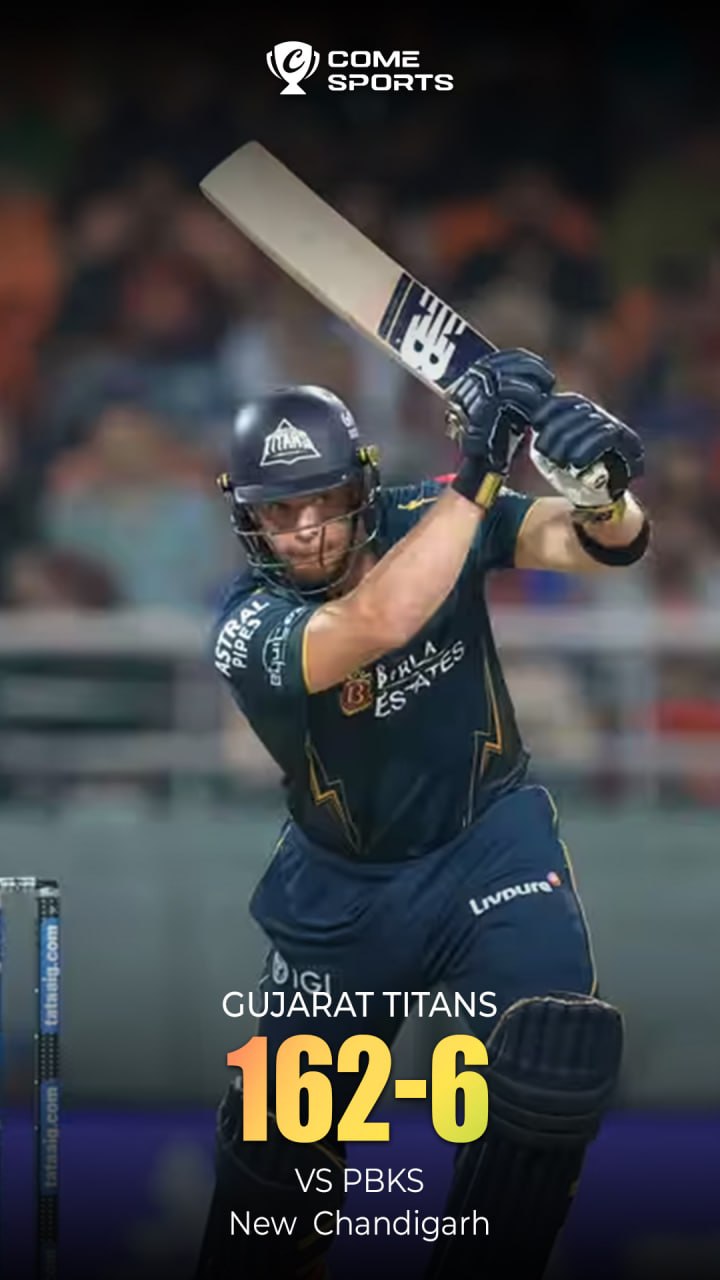
These numbers are worked examples. For a current IPL match, use its actual teams, innings, target, over allocation and status. A saved cricket graphic can illustrate score fields but cannot supply a live result. Match runs, fantasy contest points and video coverage are also different services and measurements. Read the contest rules for points and the broadcaster terms for viewing access.
A practical example
In a simple example, a batter is bowled without a run on a valid delivery at 10.2. The score changes from 90/2 to 90/3 at 10.3. Runs are unchanged, but a wicket and a valid ball have changed the match state.
What a completed answer looks like
You can explain changes in runs, wickets and overs separately rather than assuming every delivery must increase the total.
Choose another specific COME guide
Read the wider cricket and IPL guide